

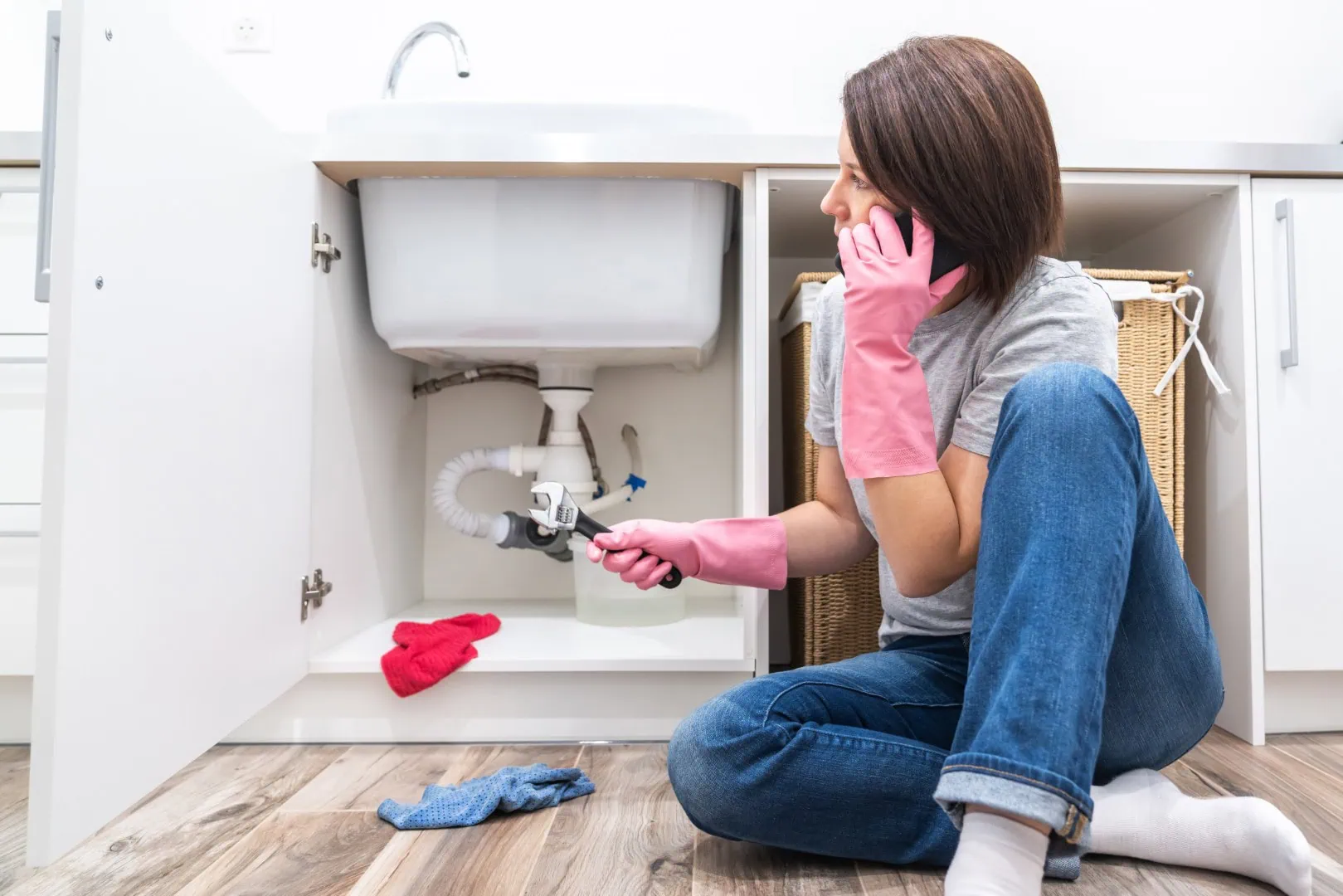
A persistent sewer odor coming from your kitchen sink is unpleasant and unsettling, and the phrase kitchen sink smells like sewer captures exactly what most homeowners notice first. That rotten, sulfur-like scent often comes from trapped sewer gas, bacterial buildup, or a problem somewhere in the drain system, and it usually points to an issue you can diagnose with a few checks.
When that smell lingers, it can make cooking and even opening the dishwasher uncomfortable, and it may suggest a condition that could get worse over time. Left unaddressed, the underlying cause can lead to slow drains, backups, or repeated foul odors that affect more than just the kitchen.
This article walks through six common causes homeowners should check, what to look for, and practical steps to isolate the problem. The goal is to help you identify likely sources of the odor so you can decide whether a simple DIY fix will help or whether professional attention is needed.
1. A Dry or Damaged P-Trap
A dry, cracked, or improperly installed P-trap lets sewer gas rise into the sink and create a noticeable odor. The P-trap is the curved section of pipe under the sink that holds water and forms a seal between your home and the sewer. If that water evaporates or leaks out, the seal breaks.
Inspect the trap by looking for visible leaks, corrosion, or obvious gaps in the plastic or metal fittings. If you have not used a sink in a guest room or an infrequently used appliance, simply running water for a few seconds can refill the trap and restore the seal. Repeated evaporation or a visible crack means replacement or tightening is necessary.
If the P-trap seems intact but the smell persists, check for a loose connection where the trap joins the tailpiece or waste arm. A poorly aligned trap or a missing washer can allow gases to bypass the water seal, so make sure fittings are snug and slip nuts are finger-tight plus a quarter-turn with a wrench if needed.
2. A Clogged Drain or Buildup Under the Sink
Organic matter and grease trapped in the drain or garbage disposal feed bacteria that produce foul odors over time. This is one of the most common reasons a sink smells like sewer, and it often begins as a milder odor that grows worse when water drains slowly.
Look for slow drainage, gurgling sounds, or food debris visible around the disposal or strainer. These are signs that solid material is collecting inside the trap or the horizontal sections of the drain. Regular sink cleaning and periodic use of a sink strainer reduce the amount of solids entering the drain, but persistent clogging requires mechanical cleaning or removal of buildup.
To clear a buildup, remove the trap and inspect the piping for food sludge, hair, or grease that has congealed. For disposals, run cold water then operate the disposal briefly to flush softened bits. If the disposal itself smells, mechanical cleaning or replacement of worn seals is often necessary.
3. Plumbing Vent Problems
A blocked or poorly routed vent can trap air pressure and sewer gases in the plumbing system, allowing odors to enter through sink drains. Vents on the roof equalize pressure and route sewer gas safely outside. When they are blocked, the system cannot push gases away.
A blocked vent may cause gurgling in drains, slow drainage, or a smell that appears in multiple fixtures at once after heavy use. Common roof vent obstructions include leaves, bird nests, and snow. These cause negative pressure and can push sewer gas back into the house through the path of least resistance, often the kitchen sink.
If you suspect a vent issue, a visual roof check for obstructions is a starting point, but rooftop work is best handled by professionals. Proper venting issues may also be related to incorrect pipe routing during construction, so homeowners renovating or replacing fixtures should verify vents were installed to code. Consult the new construction plumbing information for typical venting layouts.
4. Garbage Disposal Buildup or Damaged Seals
The disposal itself can trap food particles and bacteria that release a strong, persistent odor if the unit is not cleaned or the seals are failing. Disposals shred food but are not self-cleaning. Trapped residue in crevices and on the rubber splash guard is a frequent source of smelly kitchen drain complaints.
Routine cleaning includes running cold water while operating the unit and using ice cubes and salt to knock off residue from the grinding components. For stuck-on grime and odors, a paste of baking soda and vinegar followed by a flush of hot water can neutralize smells. Avoid using harsh chemical drain cleaners that can damage seals and pipes.
If the disposal has cracks, worn seals, or a damaged rubber guard, odors can migrate into the sink area even after cleaning. In those cases, inspecting the unit for visible damage and replacing worn parts will address the underlying source of the smell.
5. A Sewer Line Blockage or Damage
A blockage or break in the sewer line can allow sewage to escape and create a strong, persistent smell in the home, sometimes concentrated near the lowest drain like the kitchen sink. Roots, collapsed pipe sections, and heavy blockages cause sewer gases and waste to back up or leak into the ground around the foundation.
Signs that point to a main sewer problem include multiple fixtures smelling or draining poorly at the same time, soggy spots in the yard near the sewer path, or repeated clogs despite clearing the trap and disposal. A camera inspection of the sewer line often locates the problem and shows whether cleaning, repair, or replacement is needed.
Sewer line issues can be complex because they may involve the connection to municipal lines or a private septic system. If you have a septic tank, consider the possibility of system failure or outlet blockage. Persistent odors without an obvious sink drain cause often indicate the problem is beyond the individual trap level.
6. Septic System or Pump Problems
A failing septic system or problems with water and pump equipment can cause sewer smells to appear in sinks, especially if vents or drain fields are compromised. Septic tanks that are full, failing, or blocked will not handle wastewater properly and can allow gases to find entry points through plumbing fixtures.
If your home uses a well or pump-based treatment, irregular pressure or a malfunctioning pump can change how wastewater moves through the system and produce odors in unexpected places. For homeowners with well equipment on site, understanding pump performance matters. Trapmasters provides well pump repair services that help diagnose pump-related plumbing symptoms without assuming the issue is in the drain plumbing.
Regular septic maintenance, proper tank pumping intervals, and keeping surface water away from the drain field are important preventive steps. Removing leaves and buildup from gutters and extending downspouts helps ensure water drains properly away from your home during seasonal changes.
When to Call a Professional Plumber for a Sewer Smell
A sewer smell that keeps returning after basic cleaning often points to a problem deeper in the plumbing system. Persistent odors can come from damaged P-traps, blocked plumbing vents, leaking drain connections, or problems inside the main sewer line.
A professional plumber can inspect the drain system and trace the odor to its actual source. Depending on the symptoms, this may include checking connections under the sink, inspecting venting, clearing stubborn buildup, or using a sewer camera to look for blockages or damaged pipes.
If several drains smell at the same time, wastewater starts backing up, or the odor keeps returning, professional service is the safer next step. Trapmasters Plumbing serves Chesterton, IN and surrounding areas and can inspect the system to determine what is causing the smell and what repair is needed.
Related Resources for Next Steps
For more detail, review Trapmasters Plumbing’s well pump repair services page and its new construction plumbing resource before making a final plan. These pages provide additional context about the services and decisions discussed above, while keeping the focus on what applies to your property and priorities.
You can also explore the free estimate contact page when that aspect of the project affects your situation. For independent background, removing leaves and buildup from gutters and extending downspouts helps ensure water drains properly away from your home during seasonal changes offers high-authority educational guidance that supports a careful, informed decision.
Frequently Asked Questions
1. Why Does My Kitchen Sink Smell After I Run the Dishwasher?
When the dishwasher drains through the same plumbing as your kitchen sink, trapped food and grease can collect in the drain line and release sewer-like odors after cycles. Trapmasters Plumbing in Chesterton, IN recommends checking the disposal and the sink tailpiece for trapped debris and running hot water through the drain to help flush buildup. If the problem recurs, it may indicate a partial clog or a venting issue that requires inspection. Recording when the smell appears and whether other fixtures are affected will help a technician diagnose the cause.
2. Can a Dry Bathroom Sink Cause My Kitchen to Smell?
Yes. If a home has shared venting or connected drain branches, a dry trap in any sink can allow sewer gas to travel through the plumbing and emerge at another fixture. Trapmasters Plumbing in Chesterton, IN advises homeowners to run water in all traps regularly and check for evaporated seals in seldom-used fixtures. Persistent cross-fixture odors may point to a vent blockage or main line problem. Proper diagnosis often requires checking roof vents and system vents for obstructions.
3. Is the Smell Dangerous or a Health Hazard?
Sewer gas typically contains odors that are unpleasant and may cause headaches or irritation if concentrated, but brief exposure is not usually dangerous. Larger sewer leaks and extended exposure can pose health concerns. Trapmasters Plumbing in Chesterton, IN treats any persistent sewer gas complaint seriously and looks first for system breaches, blocked vents, or sewage backups that can raise health risks. If you notice physical symptoms, standing water near a drain, or visible sewer discharge, contact a professional for assessment. Good ventilation and avoiding prolonged exposure are immediate steps you can take.
4. Will Pouring Bleach or Store Chemicals Fix the Smell?
Bleach and drain chemicals can neutralize surface odors temporarily, but they do not fix mechanical problems like dry traps, damaged seals, or blocked vents and can damage pipes or septic systems if used repeatedly. Trapmasters Plumbing in Chesterton, IN recommends mechanical cleaning, trap inspection, and proper vent checks as more reliable long-term solutions. For septic systems, harsh chemicals can disrupt bacterial balance and worsen issues. If home remedies fail, documenting prior steps will help a technician provide the right repair.
Conclusion
Understanding kitchen sink smells like sewer starts with clear information, realistic priorities, and attention to the details that affect your property. Homeowners in Chesterton, IN can use the points in this guide to compare options, ask better questions, and make a confident next decision.
Trapmasters Plumbing Is Ready to Help in Chesterton, IN
Trapmasters Plumbing is a licensed, bonded, and insured plumbing company serving Chesterton, IN and surrounding counties. If you have a continuing sewer smell that you cannot resolve, use the company website or contact form to describe symptoms and schedule an inspection. The team can help identify whether the issue is a simple trap problem or something more extensive requiring repair.