

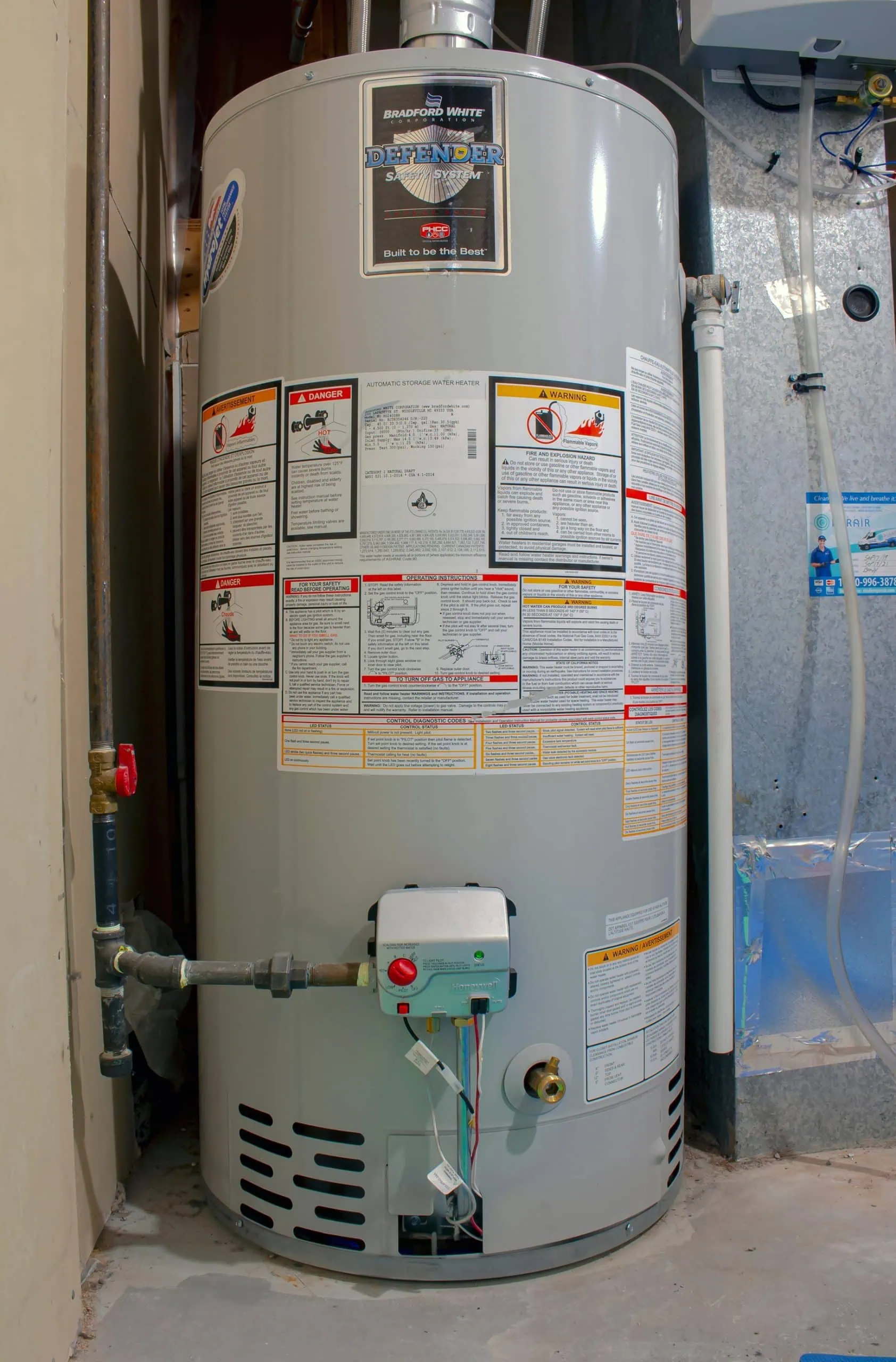
Most water heaters stay out of sight and out of mind. Then one day the shower turns cold too fast. Or the tank starts making noise in the garage or basement. Sometimes you notice a little water on the floor and realize something has changed.
That is usually how these problems begin. A water heater does not always fail all at once. It often gives warnings first. Trapmasters Plumbing has helped homeowners deal with water heater problems in Crown Point for years. This guide covers the signs to watch for, what they usually mean, and when it is time to think about water heater repair in Crown Point or routine water heater maintenance.
Strange Sounds From the Tank Usually Mean Something Has Changed
A water heater should not make much noise. A faint hum is one thing. Loud popping, rumbling, or hissing is another. Homeowners often hear these sounds before they notice anything else. That is why the noise matters. Here are the common sounds that deserve a closer look.
Popping sounds often point to sediment buildup
A popping sound usually means sediment has collected at the bottom of the tank. Water gets trapped under that layer and pushes through it during heating. That makes the tank work harder than it should. It also puts more stress on the system.
Rumbling can mean the heater is working too hard
A low rumbling noise can also come from buildup inside the tank. The heater has to push heat through that material before the water warms up. That slows performance and adds wear. It can shorten the life of the unit.
Hissing can point to a leak or valve issue
A hissing sound near the tank or connections should not be ignored. It can mean water is leaking onto a hot surface. It can also point to pressure escaping through a valve. Either way, it needs attention.
Hot Water Changes Are One of the Biggest Warning Signs
Most homeowners notice water heater trouble in the shower first. The water goes cold sooner than usual. Or it takes too long to heat back up. Those shifts are easy to explain away once or twice, but they usually point to a real issue inside the tank or controls. Here are the changes that matter most.
Hot water runs out too fast
Something’s off if the tank struggles during regular use. A weak heating element could be the issue in electric models. Sediment might stand in the way of heat transfer inside gas versions. The heater isn’t performing completely, no matter the type.
Water takes longer to heat than it used to
After showers, washing up, or doing laundry – it takes longer than before to get warm water back. This delay can show up quietly at first. A sluggish reset hints something inside isn’t working smoothly anymore. Sediment collects over time, parts age – both slow things down. Each cycle feels like waiting just a bit too long.
Water temperature keeps changing
Most days, warm water stays just right. When it doesn’t, blame might lie with a faulty thermostat. Sometimes, one heating part stops working altogether. Other times, gunk builds up at the bottom of the tank. Consistent heat keeps routines running smooth. If things turn shaky, help will likely be needed soon.
Water Around the Heater Should Always Get Your Attention
A water heater leak does not always look dramatic at first. It can start with a damp spot, a slow drip, or a little rust near a fitting. It is easy to think it can wait. That is risky. Water near the heater often means the problem is already underway. Here are the leak signs to watch for.
Water at the base of the tank can mean tank failure
If water is pooling near the bottom, the tank itself may be leaking. That usually means internal wear or corrosion. Once the tank body fails, repair is rarely the answer. That is usually a replacement issue.
Leaks from fittings or valves may still be repairable
Not every leak means the whole heater is done. A loose fitting, worn valve, or aging connector can drip and spread water onto the floor. These repairs are often more manageable when caught early. Waiting just gives the leak more time to spread.
Rust streaks and damp spots are warning signs
Rust on the outside of the tank is not normal. Damp areas near the top or side matter too. These signs often show that moisture has been present for a while. That usually means the problem is not brand new.
Changes in Water Color or Smell Can Point Back to the Heater
Sometimes the water heater gives itself away through the water coming out of the tap. Hot water should look clear and smell clean. If it does not, the tank may be part of the problem. That is especially true in older systems. Here are the changes that often show up first.
Rust-colored hot water can mean corrosion inside the tank
Brown or rusty hot water often points to corrosion. The inside of the tank may be wearing down. A failing anode rod can also play a part. Either way, the unit should be checked soon.
Metallic smell can come from tank wear
A strong metallic smell in hot water is another red flag. Homeowners often notice it in the shower or bathroom sink first. It can point to corrosion inside the water heater. That smell rarely goes away on its own.
Rotten egg odor can mean bacteria in the tank
A sulfur smell in hot water usually means bacteria has formed inside the tank. This can happen when minerals react with the anode rod. It is unpleasant and hard to ignore. A plumber can test the cause and explain the fix.
Age and Missed Maintenance Catch Up With Water Heaters
Water heaters work hard every day. Most homeowners do not think much about that until the unit starts slipping. That is normal, but age and skipped maintenance often drive the trouble. Water heater maintenance helps prevent some of the most common failures. Here are the issues that show up when that care gets missed.
Sediment stays in the tank year after year
Minerals settle at the bottom of the tank over time. If the tank never gets flushed, that layer gets thicker. The heater works harder and heats less evenly. That is one of the biggest reasons performance drops.
The anode rod wears out and gets forgotten
The anode rod helps protect the inside of the tank from rust. It does not last forever. Once it wears down, the tank becomes more vulnerable to corrosion. Replacing it at the right time can help the heater last longer.
Older tanks are more likely to struggle
Eight to twelve years covers most tank water heaters’ lifespan. With steady upkeep, a few run beyond that span. As time passes, leaks often start, sounds get louder, efficiency drops. When age brings constant issues, swapping it out might beat fixing again.
Water Heater Repair or Replacement Depends on the Condition of the Unit
Not every water heater problem leads to replacement. Some repairs are simple and worth doing. Others point to a system that is near the end of its life. This is where a real inspection helps. It keeps you from guessing. Here are the usual decision points.
Isolated part failures often make repair worthwhile
A faulty thermostat, bad valve, or failed heating element does not always mean the whole tank is done. If the tank itself is still in good shape, repair can be the better move. This is often true in newer units. The key is to confirm the tank is still sound.
A leaking tank usually means replacement
Once the tank body itself starts leaking, repair is not usually practical. The problem sits at the core of the unit. That is where replacement becomes the safer choice. It also helps avoid repeat service calls.
Repeated problems can make replacement the smarter call
One repair may be fine. A second repair a few months later changes the conversation. If the system keeps failing in new ways, the cost adds up fast. At that point, replacement often becomes the more practical move.
Water Heater Maintenance Helps You Catch Trouble Earlier
A small amount of care might prevent big headaches later. While it won’t fix everything, regular attention keeps the system running stronger for more years. This makes days easier, bills lower, lighter thoughts at night. Some key actions stand out when keeping a water heater in good shape.
Flush the tank on a regular schedule
A flush helps clear sediment before it gets heavy. That keeps heat transfer cleaner and recovery faster. It also cuts down on noise from the tank. This is one of the simplest ways to protect the system.
Get the heater checked before it fails
A routine inspection can catch corrosion, loose fittings, valve trouble, or early wear. That gives you time to plan instead of reacting to cold water and a wet floor. Trapmasters Plumbing handles this kind of work for Crown Point homeowners who want fewer surprises.
Pay attention to small changes in daily use
Most homeowners notice the first signs before anyone else. A tank that sounds different. A shower that cools off too soon. A bit of water that keeps showing up near the base. Those changes matter, and they are worth checking early.
Water Heater Problems in Crown Point? Get It Checked Before It Gets Worse
When water heaters act up, quiet moments don’t last. Out of nowhere, sounds lead straight to fixes. Drips? They push toward full swaps. Losing some heat slowly ruins every shower. Hot water fades, then routines break. When things unfold fast, knowing early helps choices feel clear. Stop watching cash vanish without a trace.
Start here if pipes complain after midnight. A friendly team shows up fast at houses across Crown Point. Dial (219) 926-2400 when hot water sputters or quits cold. Truth comes first – no guesses, just facts about what’s wrong. Each visit begins with a close look inside your setup. You hear straight talk on options once checks finish. Choices stay yours after details land clearly. Service sticks around only if it fits how you live.