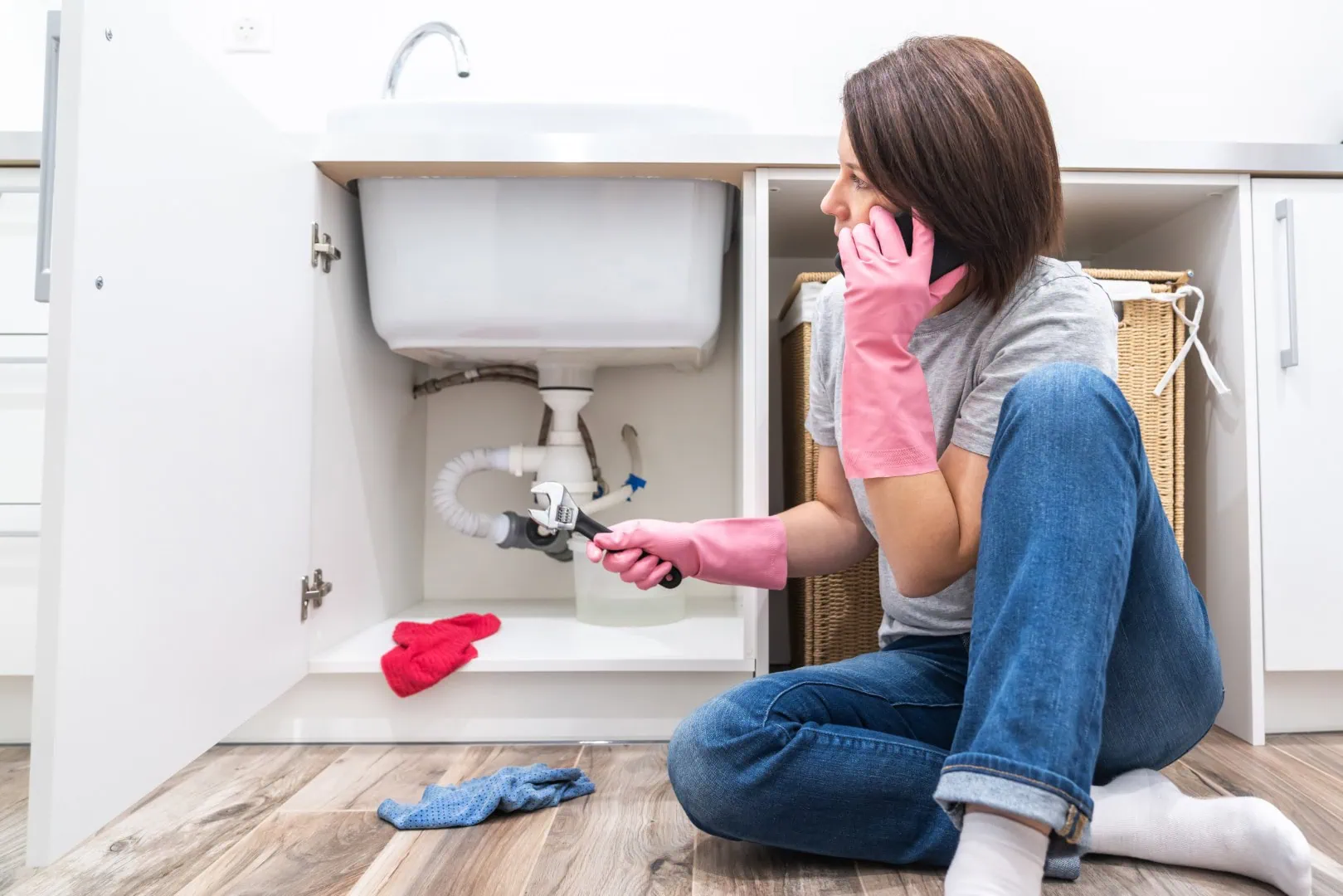
A plumbing emergency does not give you much warning. One minute everything works. The next minute water spreads across the room. Acting fast makes a real difference in repair costs and cleanup.
Trapmasters Plumbing answers emergency plumber calls around the clock in Northwest Indiana. Our licensed and insured team handles plumbing emergency repair with straightforward communication and fair pricing. Here is how to respond before we arrive and how to prevent the problem from getting worse.
What Counts as an Emergency Plumbing Issue?
Not every plumbing problem needs a middle-of-the-night call. A dripping faucet can wait. A slow drain usually can too. But if water is spreading, backing up, or putting your home at risk, that’s different. The key is to watch how fast the situation is changing.
Here are the signs that tell you it’s time to treat it as a real emergency plumbing issue.
Water Is Flowing and Will Not Stop
If you see steady water movement and it won’t slow down, treat it as urgent. Even a small supply line can release a lot of water fast. That kind of flow leads to swelling wood and ruined materials. Shut it off and call for plumbing emergency repair.
Sewer Backup or Sewage Smell Inside the Home
Sewage inside the house is always urgent. When wastewater appears in a shower or floor drain, it points to a larger problem. That kind of backup exposes your home to bacteria and damage. A sharp sewer smell can mean the main line is blocked or struggling to vent properly. Stay clear of the space and schedule plumbing emergency repair.
No Water Anywhere in the House
No water can signal a major line break or a failed well pump. It can also come from a main valve that closed or a frozen line. The cause matters, so a plumber needs to check it. Call right away and share what you see at each faucet.
Step One: Stop the Water Fast
The first job is to stop water movement. This step limits damage and cuts cleanup time. Every homeowner should know where the shutoffs are located. You do not need tools for most shutoffs.
Below are the best shutoff options to use during an emergency plumbing issue.
Shut Off the Main Water Valve
Usually found close to the water meter or downstairs in the basement sits the main shutoff. Twist the valve fully till it resists further turning. This step halts water flow everywhere inside the home. A faucet opened afterward allows built-up pressure to escape.
Use the Fixture Shutoff Valve
A tiny valve usually hides beneath or behind sinks and toilets. Stop turning once it resists further movement. When a toilet spills over or a tap drips at the source, that fix helps. The rest of the house still gets water flow.
Stop a Water Heater Feed When the Leak Is Near the Tank
When leaks show up near the heater, shutting off the valve helps. Up top by the tank, most units include a stop for the cold supply. Cutting that flow means less chance of refilling or spilling over. Gas parts? Leave them be unless you are certain how they work.
Step Two: Protect the Home and Keep People Safe
When the flow halts, act before dampness moves further. Watch where moisture might creep – under flooring, behind walls, inside cupboards, near outlets. Keep children away. Animals too. Safety comes first when pipes fail. Quick steps below help limit harm while fixing leaks.
Move Items Out of the Wet Zone
Lift rugs, towels, and storage bins off the floor. Pull furniture legs out of standing water. Place small items on counters or tables. This step prevents stains and swelling.
Contain Drips and Small Streams
Place a bucket under drips. Wrap a towel around a pipe joint to slow spray. Use a shallow pan under a valve that seeps. This does not replace repair, but it buys time.
Cut Power if Water Reaches Outlets or Appliances
When water meets power, danger rises fast. Flip the switch off at the source if there’s moisture around. Keep your hands free of dampness, feet on something dry. If getting to the box feels risky, shout for someone nearby instead.
Step Three: Call an Emergency Plumber and Share Key Details
Once the water stops and everything is safe, reach out for support. Emergency plumbing fixes usually require gear or supplies most people do not have at home. Getting through clearly helps things move faster. Trapmasters Plumbing offers 24/7 service across Northwest Indiana. Below are details that help the emergency plumber prepare.
Tell Us What Happened and When It Started
Share the time you noticed the problem. Describe the water level and where it spread. Mention any sounds, odors, or gurgling. This information helps narrow the cause.
Tell Us What You Shut Off
Say if you turned off the main valve or a fixture valve. Tell us if water stopped or slowed. Mention any valves that would not turn. This helps us plan the first steps on arrival.
Tell Us What Areas Are at Risk
Point out water near outlets, a furnace, or a finished basement. Mention hardwood floors, cabinets, or drywall that got wet. These details guide the response. They also help you decide what to protect next.
Common Mistakes During a Plumbing Emergency
People act fast during emergencies. That is normal. Some quick choices still lead to more damage. Avoiding these mistakes saves money and reduces risk. Below are issues we see often during emergency plumbing issue calls.
Pouring Drain Chemicals Into a Backup
Chemical drain cleaners can burn skin and damage pipes. They can also make the job unsafe for the plumber. Backups need removal, not chemicals. Keep the area clear and call an emergency plumber.
Cranking Down on Fittings Until They Crack
Overtightening can split plastic parts and crack valves. It can also strip threads. A small leak can turn into a broken fitting. Shut off water and wait for repair.
Leaving Wet Materials in Place Too Long
Messy damp cloths on the floor trap wetness underneath. Wooden cupboards might puff up or twist out of shape. Right after the flow halts, get things drying fast. Air moves help – turn them on while pulling soggy stuff away.
What Trapmasters Plumbing Does During Plumbing Emergency Repair
A plumbing emergency needs fast action and clear communication. The first goal is damage control. The second goal is a repair that holds. Trapmasters Plumbing works this way on every emergency call. Below is what you can expect when we arrive.
We Secure the Site and Stop Active Damage
We confirm shutoffs and stop any remaining flow. We check for safety risks near electrical areas. We keep the work area clean and controlled. This step sets the tone for the rest of the repair.
We Diagnose the Root Cause
We inspect the affected area and connected lines. We use camera inspection tools when a drain or sewer line needs a clear view. We do not guess and we do not rush past warning signs. Accurate diagnosis protects your budget.
We Explain the Repair and the Price Upfront
You get a plain explanation of the problem and the fix. You get a clear price before work starts. You decide how to proceed. Don’t Let Your Money Go Down The Drain!
Need Help With an Emergency Plumbing Issue? Call Trapmasters Plumbing
An emergency plumbing issue can feel overwhelming. A few quick steps can protect your home. Shut off the water. Keep the area safe. Then call an emergency plumber who will show up and explain the repair in plain words. Trapmasters Plumbing offers 24/7 plumbing emergency repair across Northwest Indiana. Call us today and Don’t Let Your Money Go Down The Drain!