

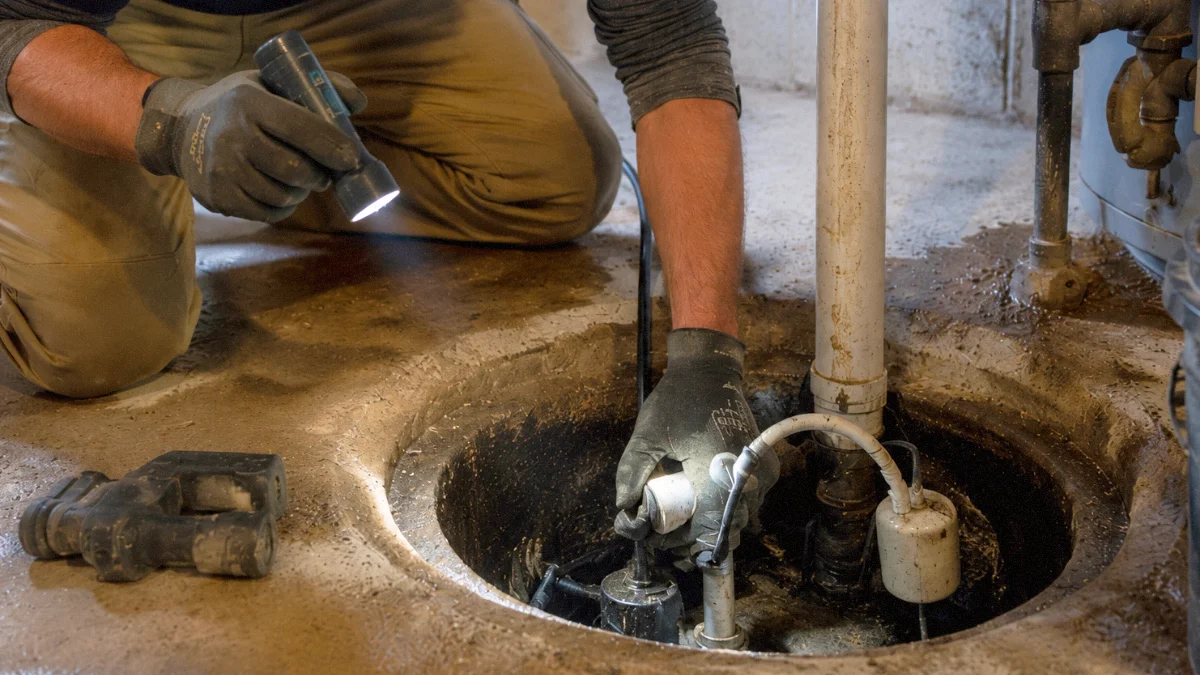
A sump pump is easy to forget about when everything is dry. Most homeowners never think about it until a heavy storm rolls through Northwest Indiana and water starts finding its way toward the basement. Then it becomes one of the most important pieces of equipment in the house.
The problem is that sump pumps rarely give much warning before they fail. A pump can sit untouched for years, then stop working the night you need it most. Trapmasters Plumbing sees this every year after major rain events. This guide covers sump pump maintenance, battery backup systems, float switch testing, common failure signs, and what homeowners can do to help keep their basements protected.
Why Sump Pump Maintenance Matters More in Northwest Indiana
Living in Northwest Indiana means dealing with weather that changes fast. Spring storms, summer downpours, melting snow, and periods of heavy groundwater can all put pressure on a sump pump system.
A lot of homeowners assume their pump is ready simply because it worked last year. That can be a risky assumption.
A sump pump spends much of its life waiting. Then a storm arrives and the pump may run dozens of times in a single day. Any problem that developed during months of inactivity suddenly shows itself at the worst possible time.
Regular sump pump maintenance helps catch those problems before the forecast becomes a concern.
How a Sump Pump Actually Protects Your Home
The concept is simple. Water collects in the sump pit beneath the basement floor. As the water rises, the pump activates and pushes that water away from the house through a discharge line.
The process sounds straightforward. The reality is that several components have to work together every time.
A typical system relies on:
- The pump itself
- A float switch
- Electrical power
- A discharge pipe
- A check valve
- A clear sump pit
One weak link can stop the whole system from doing its job.
That is why maintenance should focus on the entire setup, not just the pump motor.
A Simple Sump Pump Maintenance Schedule
Many homeowners ask how often a sump pump should be checked.
The answer is more often than most people think.
Monthly
A quick visual inspection takes only a few minutes.
Look for:
- Visible debris in the pit
- Loose wiring
- Strange noises
- Signs of rust
- Water remaining in the pit after operation
You do not need special tools. Just pay attention to anything that looks different than normal.
Every Three to Four Months
Perform a simple operational test.
Pour a bucket of water into the sump pit.
Watch what happens.
The float should rise. The pump should turn on. Water should leave through the discharge line. The pump should then shut off once the water level drops.
This small test can reveal issues long before a storm does.
Once Per Year
A full inspection makes sense.
This includes checking:
- Float switch movement
- Check valve operation
- Battery backup system
- Discharge line condition
- Pump performance
- Pit cleanliness
Many homeowners schedule this before the rainy season begins.
The Float Switch Deserves More Attention Than It Gets
A surprising number of sump pump failures involve the float switch.
The float acts like the pump’s trigger. As water rises, the float rises with it. Once it reaches a certain level, the switch tells the pump to turn on.
Simple enough.
The problem is that floats can stick.
Debris can interfere with movement. Wiring can wear out. Some floats get trapped against the side of the pit.
A pump with a stuck float often looks perfectly fine until water starts rising.
How to Test a Float Switch
Testing is straightforward.
Fill the sump pit with enough water to raise the float.
Watch for three things:
- Does the float move freely?
- Does the pump activate?
- Does the pump shut off after removing the water?
Any hesitation deserves attention.
A float that sticks today often becomes a sump pump not working call during the next heavy rain.
The Battery Backup System Most Homeowners Forget
Storms and power outages often arrive together.
That creates a problem.
Your primary sump pump needs electricity. If the power goes out during a major storm, the pump may stop exactly when groundwater is rising around the house.
That is where a battery backup system becomes valuable.
A battery backup pump operates independently from the main electrical supply. If power disappears, the backup system takes over.
For homes that deal with frequent groundwater issues, a backup system can provide peace of mind during severe weather.
What To Check On A Battery Backup System
Battery systems need maintenance too.
Look at:
- Battery age
- Battery charge status
- Corrosion on terminals
- Alarm operation
- Backup pump performance
Most batteries do not last forever. Many need replacement every three to five years.
Waiting until a storm arrives is not the best time to discover the battery failed two years ago.
Signs Your Sump Pump May Be Near Failure
Most pumps show warning signs before complete failure.
The challenge is recognizing those signs early enough to act.
Strange Noises
A sump pump should not sound violent.
Grinding, rattling, banging, or excessive vibration often points to internal wear.
A noisy pump deserves a closer look.
Continuous Running
A pump that never seems to shut off usually has a problem.
The float may be stuck. The discharge line may be blocked. The pump itself may be struggling.
Continuous operation shortens equipment life.
Frequent Cycling
Some pumps turn on and off repeatedly.
That short cycling can indicate a float issue, a sizing problem, or trouble with the check valve.
The pump works harder and wears out faster.
Visible Rust
Surface rust is not always an emergency.
Heavy corrosion often signals age and wear. It can also affect moving components.
The Pump Is More Than Seven To Ten Years Old
Age matters.
Many sump pumps last around seven to ten years under normal conditions. Some last longer. Some do not.
An aging pump deserves more frequent inspection.
Why Discharge Lines Cause So Many Problems
Homeowners often focus on the pump itself.
The discharge line matters just as much.
The pump can run perfectly and still fail to remove water if the discharge line is blocked.
Common issues include:
- Debris buildup
- Ice during winter
- Animal nests
- Crushed piping
- Improper drainage locations
Water must leave the property effectively.
A blocked discharge line can force water back toward the house.
What To Do If Your Sump Pump Stops Working
Finding a sump pump not working during a storm is stressful.
The first step is staying calm and checking the basics.
Start here:
- Verify power to the outlet
- Check the circuit breaker
- Look for a stuck float
- Confirm the discharge line is open
- Listen for motor activity
Sometimes the fix is simple.
Other times the pump has reached the end of its life.
If water levels continue rising, professional help becomes important quickly.
When Repair Makes Sense And When Replacement Makes More Sense
Not every sump pump problem requires replacement.
A bad float switch may be repairable.
A failed check valve may be repairable.
A clogged discharge line can often be cleared.
Age changes the conversation.
If a pump is nearing ten years old and major components begin failing, replacement often becomes the smarter investment.
That decision depends on the condition of the entire system.
Trapmasters Plumbing helps homeowners evaluate both options so they understand what they are paying for and why.
Small Maintenance Steps Can Prevent Big Water Damage
Most basement flooding stories start the same way.
The pump worked fine last year.
Then a storm arrived.
Then something failed.
Regular sump pump maintenance helps reduce that risk. The process is not complicated. A few inspections each year can reveal problems before water finds its way onto the basement floor.
For Northwest Indiana homeowners, that effort can protect flooring, stored belongings, drywall, and finished basement spaces.
Is Your Sump Pump Ready For The Next Storm?
A sump pump does not get many second chances. When heavy rain arrives, the system either works or it does not. Small maintenance issues can become expensive water damage if they go unnoticed. Don’t Let Your Money Go Down The Drain.
Trapmasters Plumbing helps homeowners across Northwest Indiana keep sump pump systems working the way they should. Whether you need maintenance, a battery backup system inspection, repairs, or a replacement, our team will explain what we find and help you make an informed decision.
Call today to schedule a sump pump inspection and make sure your system is ready before the next major storm.