

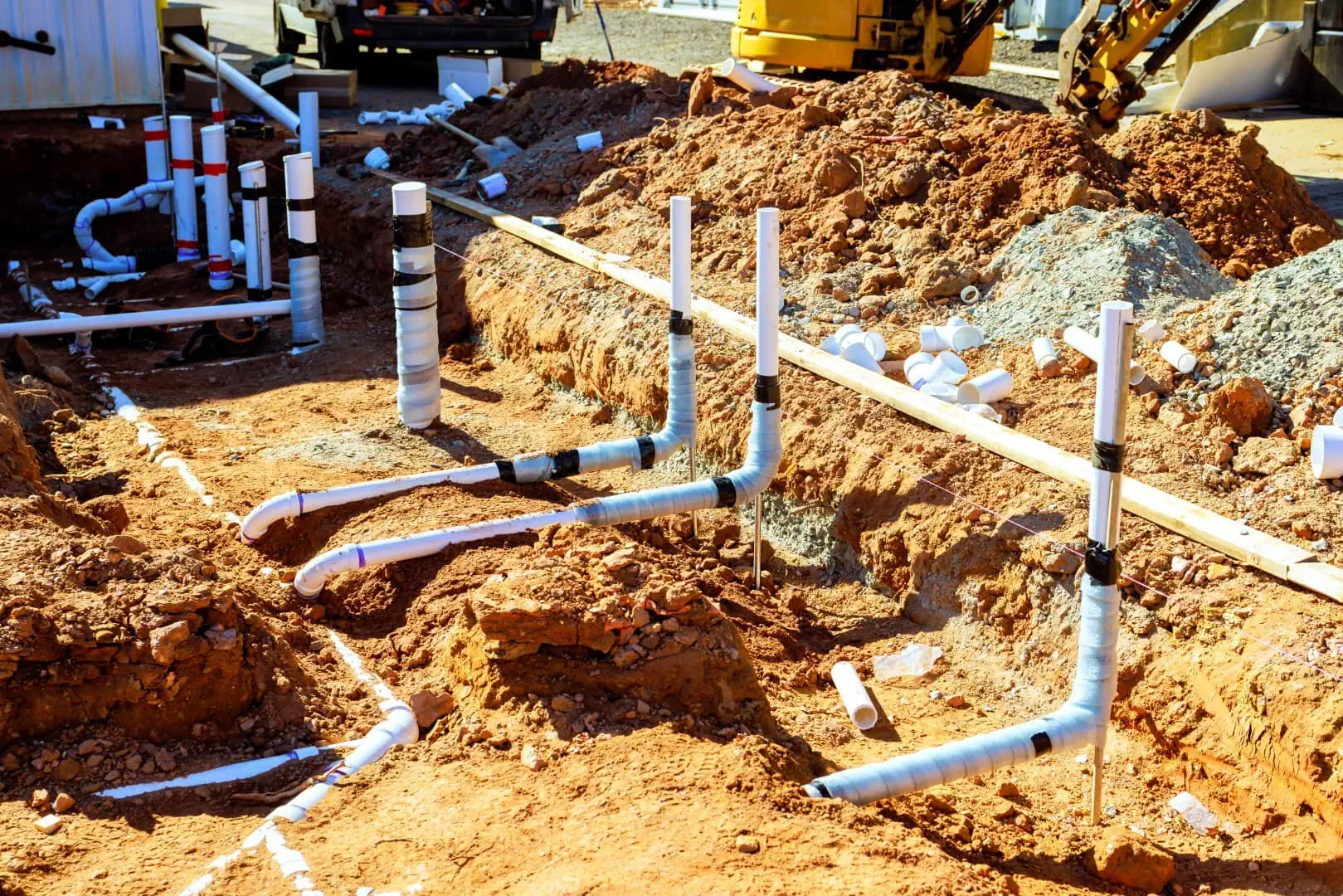
When you build or fully remodel a home, the plumbing is one of the first systems to go in. It is also one of the hardest to change later. Once drywall covers the pipes, they stay there. That is why the installation has to be done with care.
A new plumbing system installation affects daily life more than most people realize. Good pressure, quiet pipes, steady drains. Those things come from smart planning. Trapmasters Plumbing has been installing residential plumbing systems in Northwest Indiana and this guide explains what really goes into the process.
Start With the Layout and the Fixtures
Plumbing starts with placement. Where you put bathrooms, kitchens, and laundry rooms changes the whole system. Good planning saves pipe runs and keeps drains working right. It also helps control cost before work begins. Here are the layout decisions that shape the job.
Choose Fixture Locations Early
Fixture placement should be settled before rough plumbing starts. Each sink or toilet requires its own supply and drain connection. Shifting a bathroom a few feet after framing can mean reworking several lines. Clear decisions up front prevent expensive changes.
Group Wet Rooms When Possible
Bathrooms back-to-back can share wall space and reduce pipe length. A kitchen near a laundry room can do the same. Shorter runs help keep pressure steady. They also reduce the number of joints hidden behind walls.
Plan Access for Shutoffs and Service
Every home needs shutoff valves you can reach. You also need access panels for certain tubs and valves. A clean plan keeps future repairs simple. It also saves drywall work later.
Know What Permits and Code Rules Apply
A whole house plumbing installation has rules, and they are not optional. Permits protect the homeowner and the water supply. Inspections catch mistakes before the walls close. A licensed plumber handles these steps as part of the job. Here is what matters most.
Pull the Right Permits
New plumbing work often requires permits from the local building department. The permit sets the inspection schedule. It also documents that the work meets code. That record helps during resale.
Follow Pipe Size Requirements
Pipe size affects pressure and flow. Too small and you get weak pressure at busy times. Too large and you waste material and space. A plumber sizes lines based on fixture count and demand.
Pass Rough and Final Inspections
Inspectors usually check rough plumbing before insulation and drywall. They check pressure tests, slopes, and vent ties. Final inspection happens after fixtures are installed and working. Each step keeps the job on track.
Pick Materials That Match the Home and the Budget
Material choice affects durability and cost. It also affects repair options later. Supply lines and drain lines use different materials for good reason. A good plan uses the right material in the right place. Here are the common choices you will hear about.
Choose Supply Line Material
Copper is durable and has a long track record. PEX is flexible and works well in tight framing. Many newer homes use PEX for its ease of install. Your plumber should explain what fits the home best.
Choose Drain and Vent Material
PVC is common for drains and vents in residential plumbing installation. It resists corrosion and holds up well. Proper slope matters as much as the pipe itself. Bad pitch leads to repeat clogs.
Do Not Skimp on Valves and Fittings
Shutoff valves and fittings take constant pressure. Cheap parts fail sooner. Good parts cost more up front, but they save repairs later. This is one place where quality pays off.
Rough-In Work Builds the Backbone of the System
Rough-in is the heavy stage. Pipes run through studs, floors, and joists before walls close. This is where layout and accuracy matter most. Mistakes get harder to fix once drywall goes up. Here is what happens during rough-in.
Run Water Supply Lines
The plumber runs hot and cold lines to each fixture location. Lines get secured and protected from nail strikes. The system gets pressure tested before the walls close. That test helps catch leaks early.
Install Drain Lines With Proper Pitch
Drain lines need a steady slope for gravity flow. Too flat and waste sits in the pipe. Too steep and liquids outrun solids. A good slope keeps toilets and tubs draining right.
Set Up Venting for Each Drain Group
Vents keep drains from gurgling and pulling traps dry. They also move sewer gas out through the roof. A proper vent layout prevents slow drains and odor issues. This is a key part of residential plumbing installation.
Final Connections Bring the System to Life
Once drywall, flooring, and cabinets go in, the final stage begins. This is where fixtures get connected and tested. The goal is simple. Everything should run clean and steady. Here is what a full finish stage looks like.
Set Fixtures and Connect Supply Lines
This is the stage where the house starts to feel finished. Faucets go in. Toilets get set. Showers and tubs are sealed tight. Water lines connect with proper shutoffs, and every joint gets checked before anyone calls the job done.
Install and Connect the Water Heater
The water heater ties into the hot and cold system. It needs a shutoff valve and proper safety components. Pressure relief must be correct and routed properly. A good install protects the home from leaks and pressure issues.
Test Every Fixture Before Sign-Off
A plumber runs water at each faucet and checks pressure. Toilets get flushed and checked for leaks at the base. Drains get tested for smooth flow and trap seal. This is where the system proves itself.
What Makes a Whole House Plumbing Installation Go Smoothly
Homeowners ask one main question during this kind of job. What keeps it from turning into a mess? The answer is planning, clean work, and clear communication. A good crew stays organized and catches issues early. Here are the habits that help.
Keep Decisions and Changes Tight
Last-minute changes cost time and money. They also lead to rushed work. Decide fixture locations early and stick with the plan. Changes should happen before rough-in whenever possible.
Think Ahead About Future Needs
A second bathroom later. A basement finish. A future water softener. These add-ons are easier when lines are planned for them. A plumber can stub out lines or plan access. That saves big work later.
Use a Licensed Team With Local Experience
Codes vary by area and inspectors look for specific details. A local team knows what passes and what fails. Trapmasters Plumbing has worked in Northwest Indiana since 2005, and we keep the process straightforward. Don’t Let Your Money Go Down The Drain.
Planning a New Plumbing System Installation? Let’s Do It Right From Day One
A new system is a long-term investment. Good plumbing keeps your home comfortable and your repairs predictable. It also protects your walls, floors, and cabinets from hidden leaks. Trapmasters Plumbing handles whole house plumbing installation and residential plumbing installation across Northwest Indiana. Call us today for a FREE consultation and estimate. We will walk through the plan, answer questions, and help you get it done right.