
A septic system rarely fails without warning. It gives small clues first. Slow drains. Odd smells. Wet spots in the yard that don’t make sense. Those clues are easy to ignore.
The longer they sit, the worse septic issues can get. What could have been a routine service call can turn into a major repair. Trapmasters Plumbing has handled septic tank issues across Northwest Indiana for more than two decades. Let’s break down what to look for and when it’s time for a septic system inspection.
Common Signs of Septic Issues
Septic systems stay out of sight, so the clues show up in places you live with daily. You may notice a change inside the home first. You may also see changes in the yard near the tank or drain field. It helps to catch these early signs and act before a backup. Here are the signs we see most often.
Slow Drains in More Than One Room
If one drain is slow, you might not worry much. When several start acting up together, it’s a bigger sign. Toilets may flush weakly and tubs may sit with water longer than usual. That usually means the septic tank is struggling, not just one pipe.
Sewage Smell in the House or Yard
A sharp sewer odor is one of the clearest warning signs of septic issues. You might catch it near a bathroom drain or outside near the drain field. That smell often shows up before a backup happens. Calling for a septic system inspection at this stage can prevent a messy repair.
Wet Spots or Standing Water Outside
Pooling water near the septic tank is a warning sign. It should not happen during dry weather. When the drain field can’t absorb water properly, it rises to the surface. That’s usually the stage before indoor plumbing problems begin.
What Causes Septic System Problems
Most septic systems fail for a few common reasons. Some come from lack of maintenance. Others come from daily habits in the home. The system works as a chain, so one weak link can affect the whole setup. Here are the main causes behind septic issues.
Overdue Pumping
A septic tank slowly fills with solids. You won’t see it happening, but it adds up. Many systems need pumping every few years to stay healthy. If that step gets ignored, waste can move past the tank and damage the drain field.
Flushing or Draining the Wrong Items
Wipes and grease cause a lot of septic tank issues. Paper towels and hygiene products also build up fast. “Flushable” labels do not make items safe for septic. Stick to toilet paper and human waste only.
Too Much Water in a Short Time
Septic systems are not built for sudden surges. A full day of laundry or a house full of guests can strain the tank. When too much water enters at once, it pushes waste through before it settles properly. That extra stress can lead to septic system problems over time.
What a Septic System Inspection Looks Like
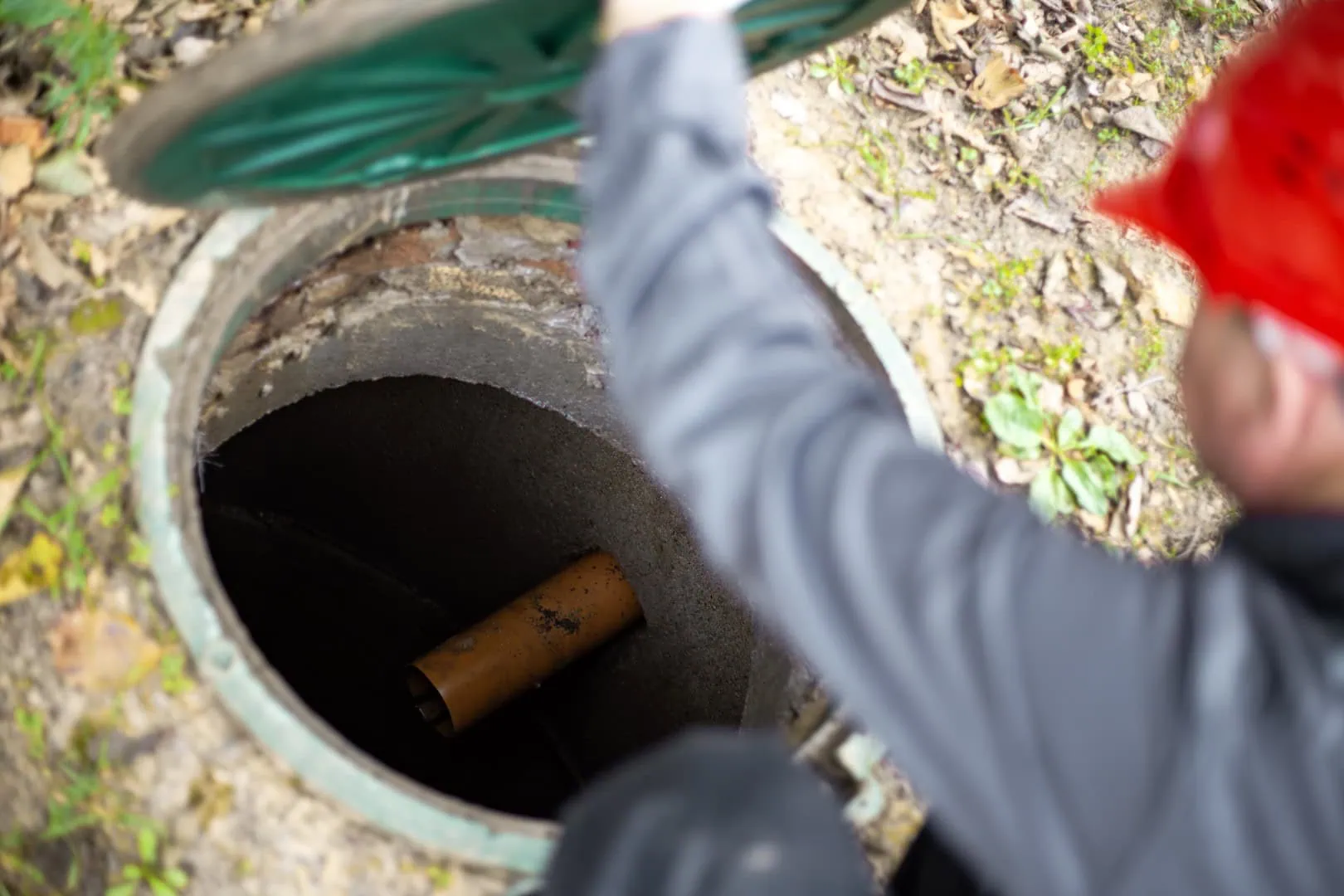
A septic system inspection answers one main question. What is happening underground right now? You get a clearer picture of tank levels, system health, and risk. This is not guesswork, and it should not feel confusing. Here are the parts of an inspection that matter most.
Checking Tank Levels and Buildup
We measure the sludge and scum layers in the tank. This tells us if pumping is overdue. High levels also explain slow drains and odors. It gives a clear reason for next steps.
Looking for Drain Field Trouble
A drain field should absorb and filter liquid from the tank. We check for pooling water and soft soil. We also look for grass that grows faster in one area. These signs point to septic system problems in the field.
Inspecting Baffles and Tank Condition
Baffles guide flow and keep solids where they belong. A broken baffle lets solids escape toward the drain field. Cracks and shifting lids also create trouble. A septic system inspection should spot these issues early.
When Septic Issues Turn Into an Emergency
Some septic problems can wait a short time. Others need action right away. Health risk and property risk rise fast once sewage enters the home. Yard pooling can also spread and damage the drain field. Here are the situations that call for fast help.
Sewage Backing Up Inside the Home
A backup inside the house needs fast action. Wastewater carries bacteria and should not sit on floors or in tubs. Stop running water and avoid flushing until the issue is checked. Call for emergency repair to limit damage and health risk.
Strong Odor That Does Not Go Away
A light odor after heavy rain can happen. A strong smell that stays can signal a serious problem. It can come from a full tank, blocked line, or vent issue. A septic system inspection can find the cause.
Water Pooling Near the House
Pooling near the foundation can lead to damage. It can also create soft spots that spread. The longer it sits, the harder it is to fix. This needs a quick response.
How Trapmasters Plumbing Handles Septic Tank Issues
Septic work calls for clear diagnosis and honest communication. Homeowners deserve a straight answer and a clear plan. Our team focuses on the cause, not quick patches. We also keep the process respectful and clean. Here is how we handle septic system problems.
We Diagnose Before We Recommend Repairs
We inspect the tank, lines, and drain field. When needed, we use camera inspection tools to check lines without digging. This helps us avoid wrong repairs. Accurate diagnosis protects your budget.
We Explain the Problem in Plain Words
You will know what failed and why it matters. We show you the signs we see and what they point to. We also explain your options and the cost upfront. Don’t Let Your Money Go Down The Drain.
We Focus on a Repair That Holds
Some fixes work for a short time and then fail again. We aim for work that lasts. That can mean pumping, line repair, or drain field planning. The goal is a stable system and less stress.
How to Cut Down Future Septic System Problems
Good habits protect the system and extend its life. You do not need complicated rules. A few simple choices reduce risk and keep drains moving. These steps also help you spot trouble early. Here are the habits that help most.
Pump on a Regular Schedule
Many homes need pumping every three to five years. Larger families may need it sooner. Keep a record of pump dates and tank size. This prevents surprise septic tank issues.
Watch What Goes Down Drains
Skip wipes, grease, and heavy paper products. Use a strainer in sinks where food scraps collect. Keep paint and chemicals out of the system. These habits protect the tank and the drain field.
Spread Water Use Across the Week
Run laundry loads over several days. Fix running toilets fast. Keep an eye on long showers during busy weeks. Less strain means fewer septic issues.
Having Septic Issues? Call Trapmasters Plumbing Before It Gets Worse
Septic problems do not clear up on their own. Early action saves money and protects your yard. If you see slow drains, odors, or wet ground, it is time to act. Trapmasters Plumbing has served Northwest Indiana since 2005 with honest pricing and clear communication. Call us today to schedule a septic system inspection. Don’t Let Your Money Go Down The Drain.