

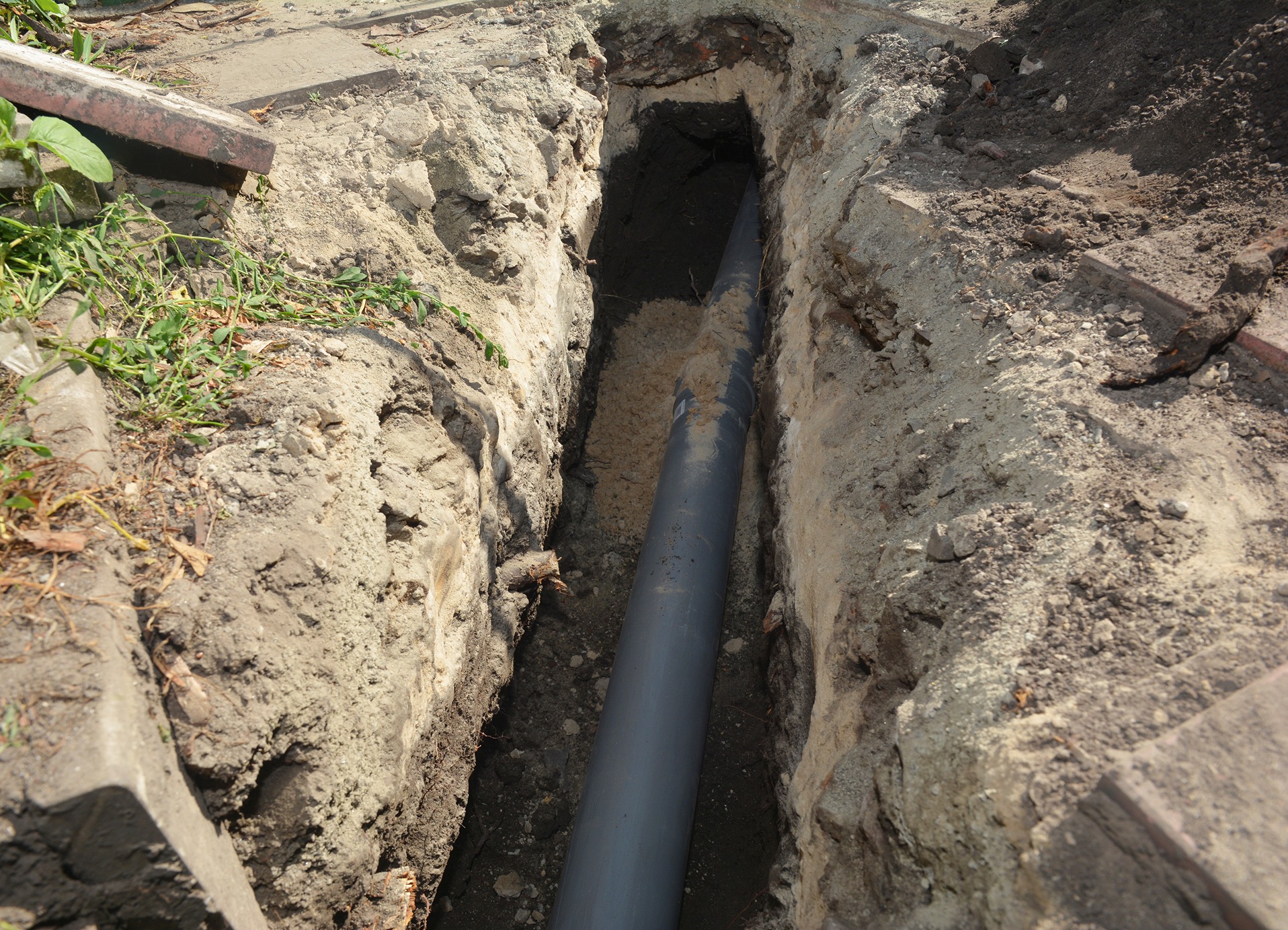
Winter falls fast in Northwest Indiana: one day it’s sunny, fine, and you’re thinking maybe the cold won’t hit that hard this year. The next? You wake up and literally everything’s frosted: the yard’s like glass, and the water’s not running right. It happens all the time; we see it every winter. Calls coming in from folks who figured they’d handle it later. Later doesn’t usually work out.
At Trapmasters Plumbing, we’ve been at this long enough to know it’s not the fancy stuff that causes chaos. It’s the little overlooked things. The hose left outside. A drafty crawl space. A shutoff valve nobody’s touched since who knows when. Small stuff adds up when the temperature drops. You don’t even notice until you’ve got a puddle spreading across the floor.
The Importance of Preparing Your Pipes for Winter
Here’s the deal. When water freezes, it grows. Inside the pipe, that pressure just keeps pushing until the pipe gives up. Sometimes it’s quiet. Sometimes it pops loud enough to make you jump. Then when it thaws, the water just pours out. Floors, walls, insulation — all soaked. Seen it too many times.
And Indiana weather? It’s unpredictable, no point pretending otherwise. You might have a week of mild air, then overnight it dives below freezing. That’s usually when folks let their guard down. They think it’s fine now, then wake up to no running water and a mess.
If you’re not sure when your plumbing was last checked, now’s a good time. Doesn’t take long. A plumber can spot insulation that’s slipping or fittings that look weak. We’ve caught leaks starting small enough that a homeowner would never have seen them. It’s not about going overboard, it’s about not being stuck in an emergency later.
How to Get Your Plumbing System Ready
Every home’s got its quirks. The age, the layout, the basement height. But the basics are the same.
Inspect and Insulate Exposed Pipes
Grab a flashlight, and walk through your house, checking the basement, crawl space, the garage… anywhere you can actually see the pipes. If they’re bare, cover them. Foam sleeves are cheap and work fine. You don’t need tools, just patience. Feel around where air might come through cracks or small gaps near walls or vents. Stuff them up. I usually tell people, if it feels cold to your hand, it’s cold enough to freeze a pipe.
Drain Outdoor Water Lines and Garden Hoses
Outside pipes are always the first to go. Always. So take the hoses off, drain them, and put them away. Does your home have an indoor shutoff valve for outside faucets? Close it. Then open the faucet outside (so anything left can drain). Even a spoonful of water left inside can split a line once it freezes. It’s one of those things people forget every single year.
Seal Drafts and Keep a Steady Indoor Temperature
Look under sinks and behind your washer or wherever the pipes run along the wall. Cold air sneaks in more places than you’d think. Some caulk, a bit of insulation, it helps. Don’t let the heat swing too much. People think turning it down at night saves money, but then they end up calling us with a burst pipe. Even when you’re out of town, keep a little heat moving through the house. Doesn’t have to be much. Just steady.
Locate and Test Your Main Shutoff Valve
If you don’t know where it is, it’s time to find it.Turn it a couple times. Noticing that it feels tight or stuck? You’re going to want to fix that before it’s freezing outside. (Because when a pipe bursts, you’ll be glad you can shut the water off fast. It’s a small step you can take, and it’ll save a lot of panic!)
Also, if you notice something that just doesn’t seem quite right (maybe like a drop in pressure, or you hear a banging noise, or notice a weird smell) call a plumber before that “small issue” snowballs into a big deal.
What to Avoid Before Winter
We see it every single year. Hoses still attached. Crawl spaces open to the cold. Folks thinking, “It’s never frozen before, I’m fine.” Then the cold snap hits and the line behind a wall cracks. Water moves fast, and once it starts, it doesn’t stop.
Honestly, it’s easy to forget. Everyone’s busy, and the early cold feels short. Then a real freeze rolls in and the damage is done. A short inspection before winter saves so much trouble. Our crew uses small cameras to look through tight spaces, especially in older homes. A thirty-minute visit now can keep your basement dry later.
When to Call a Professional for Help
Some signs are easy to miss. A drop in pressure. Pipes that clang or vibrate. Maybe a section feels colder than the rest. If you see frost on a line, that’s a red flag. Frozen pipes don’t fix themselves. They usually burst when they thaw. That’s the part that hurts.
Trapmasters Plumbing stays on call all winter. Doesn’t matter if it’s a Sunday morning or a snowy night. We handle everything from frozen lines to full replacements. And we always start with a free estimate and straight talk. You’ll know exactly what’s happening before we touch a thing.
Simple Habits That Actually Keep Pipes Safe All Season
Even after you’ve winterized your home, you can keep up a few simple habits to stay freeze-free this winter. Like leaving the cabinet doors open under the sink on freezing nights, so that heat can reach those pipes. You can also let one faucet drip a little ( it keeps water moving). And you can change thermostat batteries before winter so the heat doesn’t shut off while you’re asleep. Going away at some point? Ask a friend or neighbor to check the house once in a while. (Just in case.)
Small habits. Big difference. Ready.gov’s got a good page about frozen pipe prevention if you want to read more, but really, most of it comes down to staying a step ahead of the cold.
Final Thoughts for Homeowners in Northwest Indiana
Getting your pipes ready doesn’t take long (you can do most of it in an hour or two on a weekend). And when you’re done, you’ll definitely feel better knowing it’s handled; it’s one less thing to stress about when winter gets rough.
At Trapmasters Plumbing, we’ve been helping homeowners across Northwest Indiana with their plumbing since 2005. We’re family-owned, fully licensed, experienced, and honest about the services you actually need. Free estimates, fair prices, and a 10 percent labor discount for seniors 65 and older.
So before the frost sets in for real, give us a call at (219) 926-2400 or check us out online. A bit of prep now saves a lot of worry later.